Best Budget Motorcycle Helmets Under $150
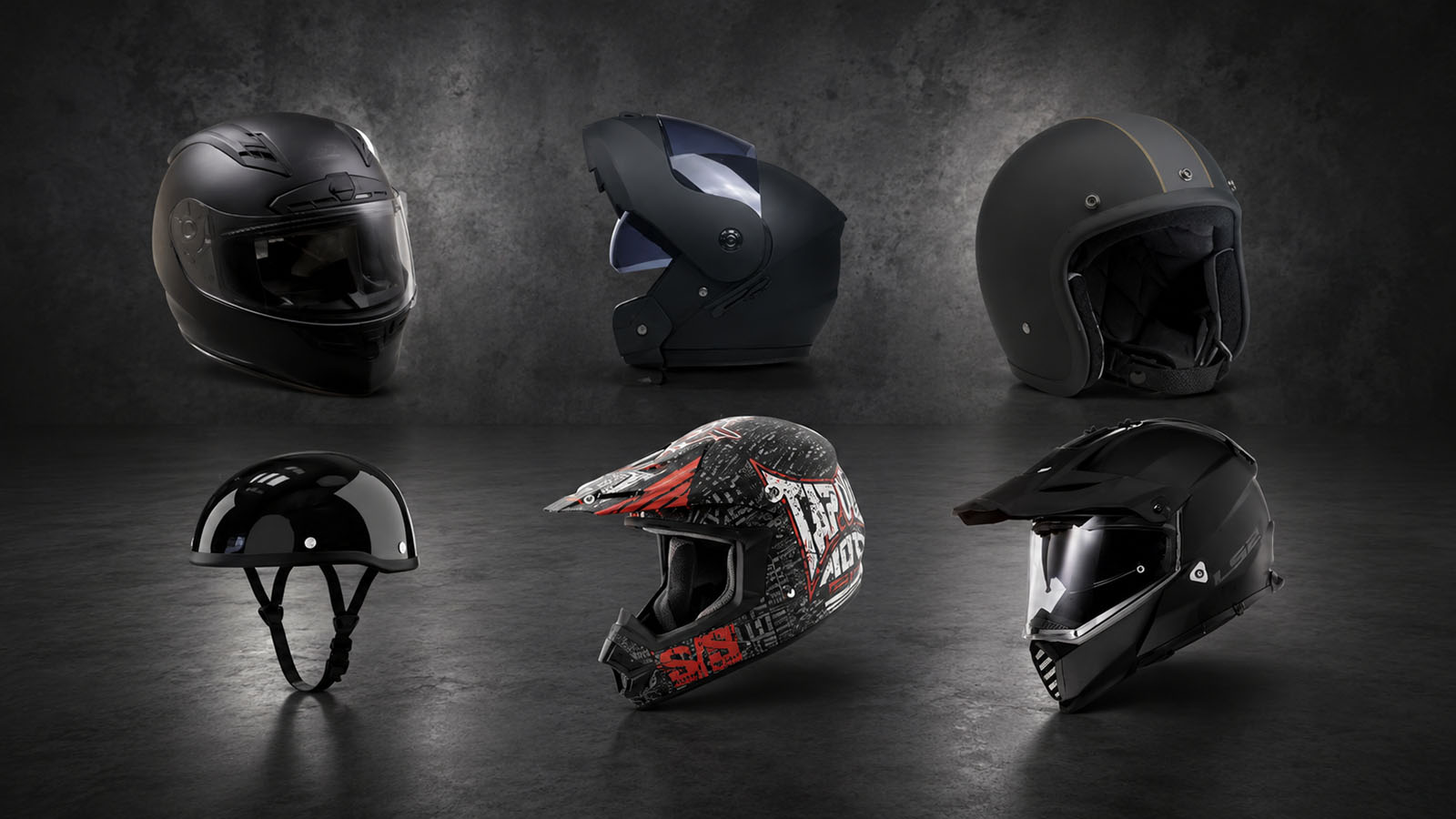
The best budget motorcycle helmet under $150 is the one that actually protects you. That sounds obvious but it's the first thing that gets compromised when manufacturers cut costs. Here's what to look for and which helmets survive the scrutiny.
Budget helmets used to mean outdated safety standards, poor fit, and ventilation that consisted of holes with no engineering behind them. The current generation of budget helmets — led by a handful of manufacturers who've figured out how to make the economics work — is genuinely different.
The Non-Negotiable: ECE 22.06
ECE 22.06 became the new European standard in 2020 and is significantly more demanding than the ECE 22.05 it replaced. The key addition: oblique impact testing, which better simulates how heads actually contact surfaces in real crashes.
If a budget helmet still carries only ECE 22.05 or just a DOT sticker, it's being certified to an older standard. ECE 22.06 on a budget helmet means it passed genuinely demanding tests.
In the US, DOT is the legal minimum. Helmets with both DOT and ECE 22.06 ratings are the strongest options in the budget category.
The Best Budget Helmets
Best Overall Budget: MT Revenge 2 (~$90)
The MT Revenge 2 is the budget helmet we recommend most often. ECE 22.06 certified, multiple shell sizes (important — a single shell covering too wide a size range means poor protection at the extremes), and ventilation that actually works in motion.
The visor clarity is good. The liner is removable and washable. The chin strap uses a micrometric ratchet buckle rather than a D-ring — easier to use and no less secure.
Weak points: heavier than premium helmets at around 1,550g in medium, and the anti-fog Pinlock insert is not included (a €20 add-on if you ride in cool or damp conditions). Road noise at motorway speeds is higher than mid-range helmets.
Verdict: The default recommendation for new riders and budget builds.
Best Budget Full-Face: ILM Full Face Helmet (~$70)
At $70 it's hard to argue with the ILM as an entry point. DOT certified (not ECE 22.06, which is the compromise at this price), but the construction is honest and the fit is consistent.
The ventilation is adequate for city riding. The visor mechanism is functional. For a first helmet before you know whether motorcycling is your thing, it fulfils the brief.
Upgrade timeline: within a year, or when you've confirmed riding is a long-term commitment. The ILM is a starter, not a keeper.
Verdict: First helmet only. Replace when you have the budget.
Best Budget Adventure Style: Yema YM-629 (~$110)
If you want the adventure helmet aesthetic without the Shoei Hornet ADV price, the Yema YM-629 is worth considering. DOT + ECE 22.06 certified, modular peak design, dual visor system (tinted inner sun visor, clear outer visor).
The dual visor system on an adventure helmet at this price is remarkable. The sun visor is genuinely useful and eliminates the need for a separate tinted visor. Build quality is adequate rather than excellent — hinges feel less precise than premium alternatives.
Verdict: Budget ADV/dual-sport riders who want versatility.
Best Budget Modular: Triangle Helmet TSH-001 (~$120)
Modular (flip-front) helmets have always been expensive because the mechanism is mechanically complex. The Triangle TSH-001 brings the flip-front under $150 with ECE 22.06 certification — rare at this price.
The chin bar lock mechanism is firm and doesn't rattle. The internal sun visor works. For commuters who want to flip the chin bar at petrol stations and drive-throughs without removing the helmet, this is a practical option.
Weight is on the high side at 1,650g — inevitable with a modular mechanism at budget pricing.
Verdict: Commuters who want flip-front convenience on a budget.
What Budget Helmets Sacrifice
Fit precision: Premium helmets offer multiple shell sizes and replaceable cheek pads in multiple thicknesses. Budget helmets typically have one or two shell sizes covering a wider range. The fit is less precise.
Noise: Budget helmets are louder at speed. Not dangerously so, but the noise fatigue on a long ride is real. Earplugs are cheap and should be used regardless of helmet price.
Weight: Budget helmets are heavier. An extra 100–200g is irrelevant for short rides. On a 5-hour day it's noticeable.
Visor optics: Premium visors have better optical clarity, better scratch resistance, and better anti-UV treatment. Budget visors work, but the optics aren't as clean.
None of these compromises affect the core safety function. A well-fitted, ECE 22.06 certified budget helmet protects you from impact. The compromises are in comfort and longevity, not protection.
The Non-Budget Alternative Worth Saving For
If you can stretch to $200–250, the AGV K1 S or the Shoei RF-SR represents the entry point to proper mid-range performance. Lighter, quieter, better fit options, better visors. If you ride regularly, the extra $100 over a budget helmet pays for itself in comfort within a few months.
For full coverage at every price point, read our best motorcycle helmets 2026 guide.
The Bottom Line
Best budget overall: MT Revenge 2 — ECE 22.06, honest build, best value
Best first helmet: ILM Full Face — cheap, functional, replace it soon
Best budget adventure: Yema YM-629 — dual visor system, ECE 22.06
Best budget modular: Triangle TSH-001 — flip-front under $150
Buy a certified helmet. Wear it every ride. When your budget improves, upgrade. That's the correct sequence.
Standards & Sources
Budget helmets are exactly where certification matters most, because price cannot be used as a proxy for protection. These are the primary sources behind the standards referenced above:
- SHARP — UK Department for Transport helmet safety ratings — independently crash-tests retail-bought helmets and publishes star ratings. SHARP's archive is the strongest available evidence that inexpensive helmets can and do outperform expensive ones, and it is worth searching before any budget purchase.
- UNECE — publisher of UN Regulation No. 22, behind the ECE 22.05 and ECE 22.06 marks. The move to 22.06 added rotational-acceleration testing, more impact points and a wider range of test speeds, which is why a 22.06 helmet has cleared a materially harder bar than a 22.05 one.
- NHTSA — administers FMVSS 218, the US "DOT" standard. DOT compliance is self-certified by the manufacturer, which is why a DOT sticker alone is a weaker signal than an ECE approval label.
Prices are recommended retail at the time of writing and move frequently at this end of the market. Specifications come from current manufacturer documentation.
On our ratings: BikeLabs does not conduct impact testing. Our assessments weigh published certification results, manufacturer specifications and documented independent testing against price and intended use — see how we research.