How to Read Motorcycle Tire Wear and Maintain Proper PSI
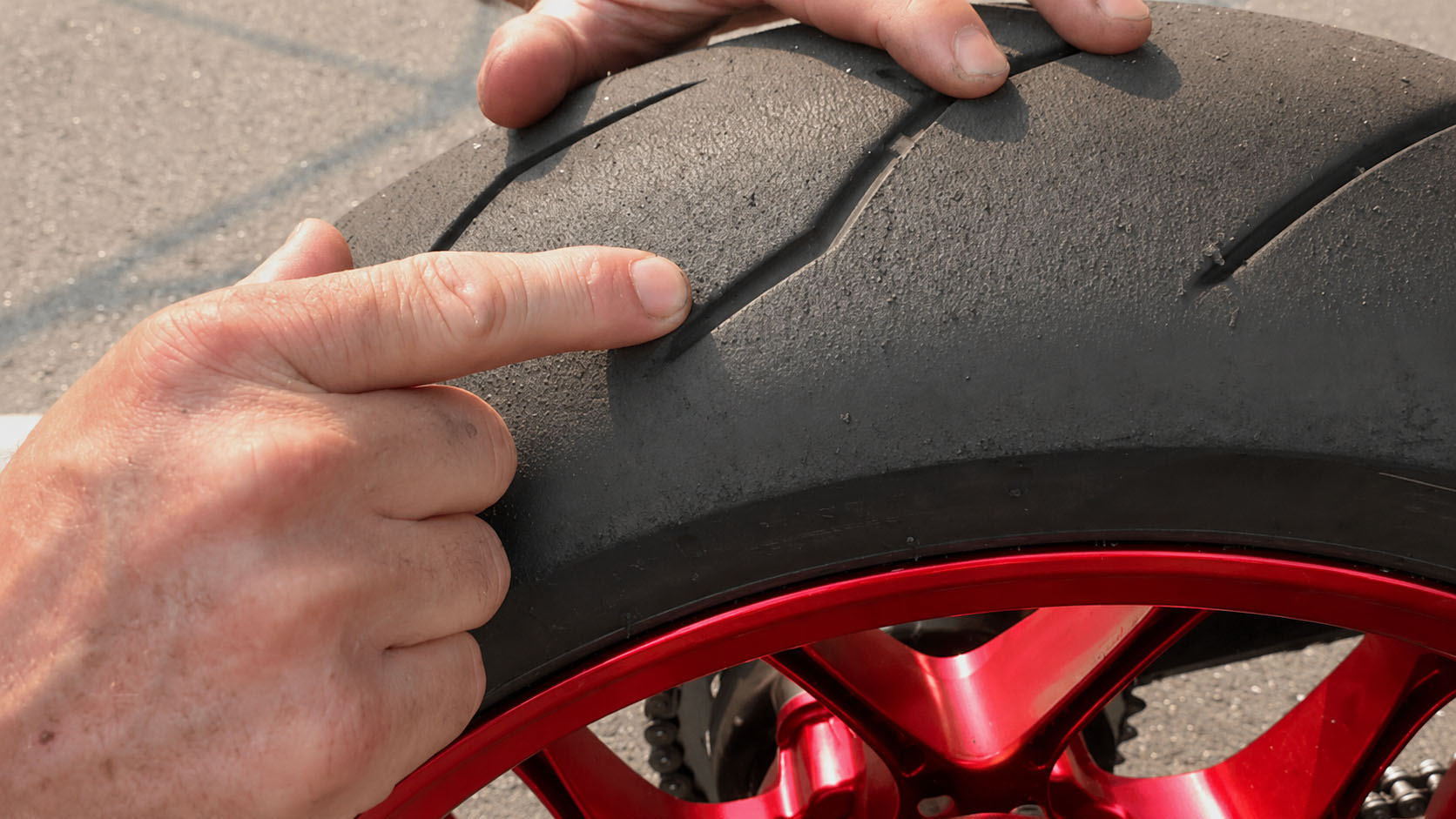
Your tyres are the only contact point between your motorcycle and the road. Every braking force, cornering force, and acceleration input passes through a contact patch roughly the size of your palm. Understanding how to read tyre wear, maintain correct pressure, and identify when a tyre has expired is one of the most important skills a motorcyclist can develop.
This guide covers PSI management, interpreting wear patterns, using the DOT date code, and finding tread wear indicators.
Tyre Pressure: The Foundation of Everything
Correct tyre pressure affects handling, braking, fuel consumption, tyre temperature, and lifespan. Running even 5 PSI low fundamentally changes how your bike corners and stops.
Cold vs. Hot Pressure
Always check tyre pressure when the tyres are cold — before riding, or after the bike has been stationary for at least 3 hours.
Tyres heat up significantly during riding. A tyre that's been ridden for 30 minutes at highway speeds can show 4–6 PSI higher than its cold reading. Checking a hot tyre and bleeding pressure to reach the "correct" figure will result in dangerous underinflation once the tyre cools.
Recommended schedule: Check cold pressure weekly, and before every long journey.
Where to Find the Correct Pressure
Your bike's correct tyre pressures are listed in:
- The owner's manual
- A sticker on the swingarm (common on most modern bikes)
- Sometimes on the frame near the headstock
Never use the maximum pressure printed on the tyre sidewall. This is the maximum the tyre can structurally contain — not the recommended operating pressure for your bike.
Typical ranges:
- Front: 32–36 PSI for most road bikes
- Rear: 36–42 PSI (higher due to carrying engine and rider weight)
Adjust slightly upward (2–4 PSI) when carrying a passenger or luggage.
Reading the DOT Date Code
Every motorcycle tyre sold in markets governed by DOT (Department of Transportation) standards carries a date code stamped into the sidewall. It consists of four digits at the end of the DOT string.
How to read it:
- The first two digits = the week of manufacture
- The last two digits = the year of manufacture
Example: DOT XXXX 2319 = manufactured in week 23 of 2019
Why the Date Code Matters
Rubber degrades over time regardless of how little the tyre has been used. UV exposure, ozone in the atmosphere, and thermal cycling all cause the rubber compound to harden and micro-crack — a process invisible to the naked eye until the tyre fails catastrophically.
Industry recommendation: Replace motorcycle tyres after 5–7 years from the date of manufacture, regardless of remaining tread depth.
A tyre that looks perfectly legal in terms of tread depth but is 8 years old is a significant safety risk, particularly in cold or wet conditions where rubber flexibility is critical for grip.
This is especially relevant when buying a used motorcycle — always locate and check the date code on both tyres before purchase.
Tread Wear Indicators (TWI)
Every modern motorcycle tyre includes built-in tread wear indicators — small raised rubber bars moulded into the base of the main tread grooves.
Locating them:
- Look for a small triangle (▲) or the letters "TWI" moulded onto the tyre sidewall
- The indicator bar is directly inward from this marker, at the base of the tread groove
When the tread surface is level with the indicator bar, the tyre has reached its legal minimum tread depth (typically 1mm) and must be replaced immediately.
Most jurisdictions legally require a minimum of 1mm, but most tyre manufacturers recommend replacement at 2mm — wet-weather performance degrades significantly below this threshold.
Interpreting Tyre Wear Patterns
Tyre wear is not random — the pattern tells you exactly what's happening mechanically with your bike.
Centre Wear (Flat Centre, Full Tread on Edges)
Cause: Chronic underinflation, or predominantly straight-line highway riding.
What it means for underinflation: The tyre flexes excessively, causing the sidewalls to do the work rather than the crown. This generates heat, reduces contact patch quality, and accelerates structural fatigue. The tyre may look legal in terms of tread depth but be structurally compromised.
Fix: Set correct cold pressure, check for slow puncture.
Edge Wear (Tread Worn on Shoulders, Full Centre)
Cause: Chronic overinflation, or aggressive cornering riding style.
Overinflated tyres become stiff and round, reducing the contact patch to a narrow strip on the crown. On a sportbike ridden hard, heavy edge wear with full centre tread is normal — the tyre is being used across its full profile.
Fix if overinflation: Reduce to correct cold pressure.
One-Sided Wear (More Wear on Left or Right)
Cause: Wheel misalignment, suspension geometry issues, or consistently riding on cambered roads.
One-sided wear is a serious flag. If your chain adjusters are set unequally, or your rear wheel is tracking slightly off-centre, the tyre scrubs unevenly. Check alignment immediately.
Cupping or Scalloping (Irregular High/Low Patches)
Cause: Worn suspension damping (shock absorbers or fork oil), incorrect tyre pressure, or wheel balance issues.
Cupped tyres produce a noticeable wobble at speed and significantly reduced grip. A cupped rear tyre is often mistaken for a balance problem — if rebalancing doesn't fix the wobble, inspect for cupping and address the underlying suspension issue.
Flat Spots
Cause: Emergency braking without ABS, or locking the rear under hard deceleration.
A single locked-wheel slide can flat-spot a tyre permanently. The flat area causes a rhythmic thump at speed and reduces braking efficiency. Flat-spotted tyres should be replaced.
Tyre Inspection Checklist
Beyond wear patterns, regularly inspect for:
- Embedded objects — nails, screws, glass fragments lodged in the tread
- Sidewall damage — cuts, bulges, or impact damage from kerb strikes
- Cracking — surface crazing or cracking in the tread grooves or sidewall (age-related degradation)
- Bulges — indicate internal structural damage; the tyre must be replaced immediately
A bulge in a tyre is a blowout waiting to happen. Do not ride on a bulged tyre under any circumstances.
Quick-Reference Checklist
- [ ] Cold tyre pressure checked weekly (front and rear)
- [ ] DOT date code checked — tyres under 7 years old
- [ ] Tread depth above TWI indicator on all tyres
- [ ] No one-sided wear patterns (alignment check if found)
- [ ] No cupping or scalloping (suspension inspection if found)
- [ ] No sidewall damage, bulges, or deep cuts
- [ ] No embedded foreign objects in tread
- [ ] Pressure adjusted for load (passenger/luggage) when required