The Beginner's Guide to Lightweight Motorcycles (300cc–500cc)
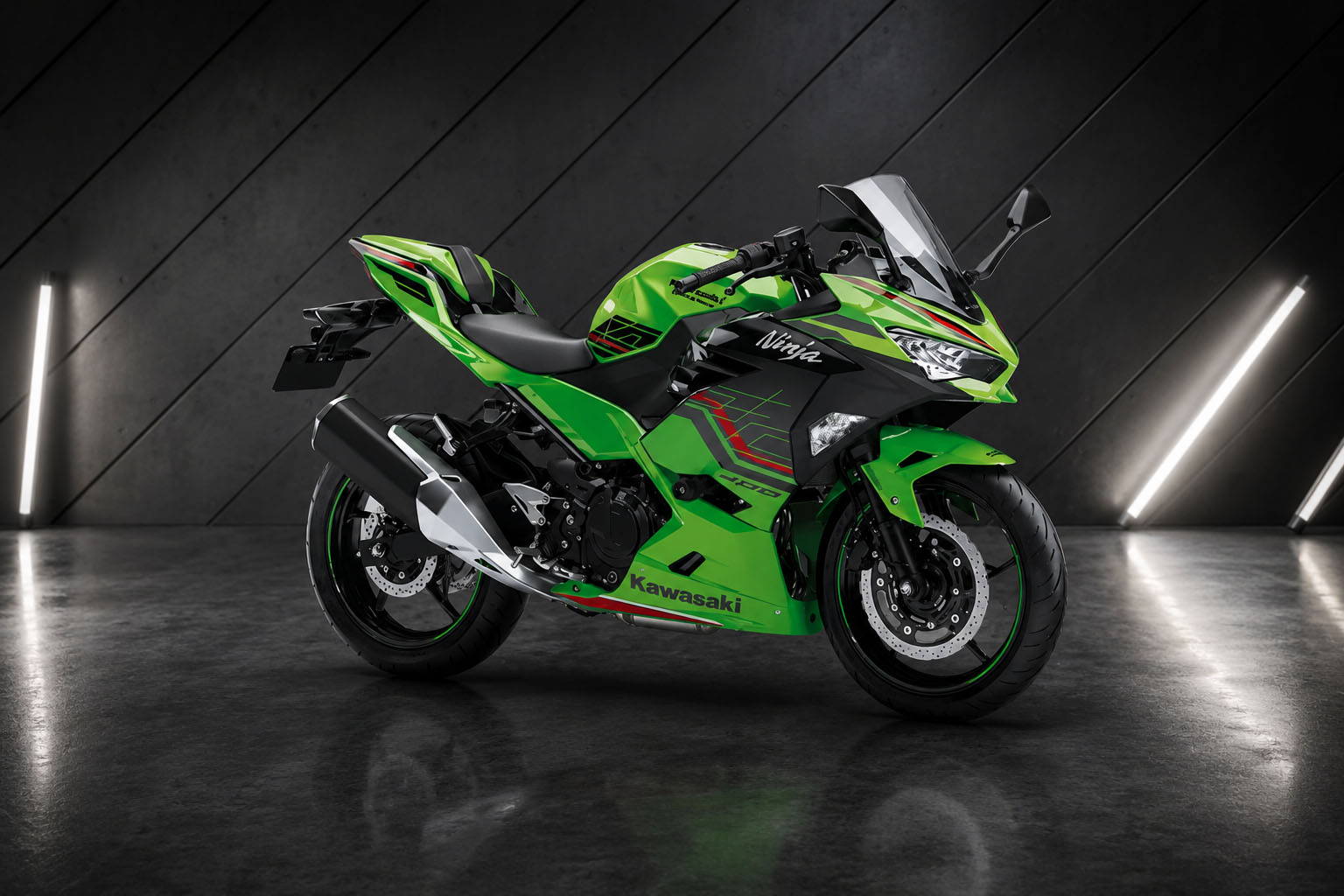
There is a persistent myth in motorcycle culture that beginners should start small only until they can "upgrade" to a real bike. This framing implies that small-displacement machines are a temporary inconvenience — something to endure before reaching the destination of a large-displacement motorcycle.
It is wrong. Modern 300cc–500cc motorcycles are not compromised beginner tools. They are engineered platforms with genuine capability, lower running costs, and characteristics that build riding skill faster than larger machines. Understanding why requires looking at what these bikes actually are, not what the displacement number suggests they should be.
Why Small Displacement Builds Better Riders
The fundamental skill in motorcycling is smooth, precise control of traction. This requires understanding the relationship between throttle inputs, weight transfer, and tyre grip — a feedback loop that is only legible when you can operate near the bike's limits without catastrophic consequences.
On a 1000cc superbike, the margin between controlled and out-of-control is measured in fractions of a throttle opening. On a 400cc sportbike, that same fraction represents far less energy — mistakes are recoverable. Learners on large-displacement machines don't make fewer mistakes; they make the same mistakes with greater consequences.
Throttle Discipline
A Kawasaki Ninja 400 produces approximately 45 bhp. In normal road riding, this requires genuine throttle management — the rider must think about when and how much to open the throttle through corners. The feedback is immediate and educative.
The same rider on a 200 bhp machine has so much margin in reserve that they never develop this sensitivity. The power is forgiving of imprecision rather than teaching precision. When they later ride the large machine hard, the discipline is absent because it was never required.
Corner Speed and Line Selection
A lighter, less powerful motorcycle rewards correct line selection more clearly. On a 300cc machine, taking the wrong line through a corner has measurable consequences for exit speed. On a 1000cc bike, you can overcome a poor line with excessive throttle. The small machine teaches; the large one compensates.
Running Cost Comparison
The economic case for small-displacement machines is substantial — not as a budgetary limitation but as a genuine financial advantage.
| Cost Factor | 300–500cc | 600–1000cc |
|---|---|---|
| New purchase price | $4,500–$7,500 | $9,000–$20,000+ |
| Insurance (new rider, UK) | $800–$1,500/yr | $2,500–$5,000+/yr |
| Fuel consumption | 25–35 km/L | 15–22 km/L |
| Tyre wear (rear) | 10,000–15,000 km | 5,000–8,000 km |
| Service intervals | 6,000–10,000 km | 6,000–10,000 km |
| Crash damage cost | Low (lower speed, lower repair costs) | High |
Insurance is the largest variable cost difference. A new rider on a Kawasaki Ninja 400 typically pays a fraction of what a new rider would pay on a Kawasaki ZX-10R — the statistical risk difference is significant enough that insurers price it accordingly.
The Top 300–500cc Platforms
Kawasaki Ninja 400 — The Benchmark
The Ninja 400 is widely considered the best-engineered small-displacement sportbike available. Its 399cc parallel twin produces 45 bhp and 38 Nm torque — numbers that outperform many 600cc competitors from five years ago.
What distinguishes the Ninja 400 from cheaper alternatives is its chassis quality: a trellis frame derived from the larger Ninja 650, with premium suspension geometry and braking performance. It corners with genuine precision, brakes competently, and rewards a skilled rider without punishing a developing one.
Who it's for: Riders who want a machine that won't limit them for at least 2–3 years of skill development, or experienced riders who want a lightweight machine for technical road riding.
Honda CBR500R — The All-Rounder
Honda's 471cc parallel twin produces a modest 47 bhp but does so with Honda's characteristic smoothness and reliability. The CBR500R adds the full fairing for wind protection — making it more usable for motorway commuting than naked alternatives in the class.
The CBR500R's defining quality is approachability. Nothing about the bike is aggressive. Power delivery is linear, braking is predictable, and the chassis inspires confidence rather than demanding it. This makes it an excellent choice for riders returning to motorcycling or those making the step from scooters.
Yamaha MT-03 — The Naked Choice
The MT-03's 321cc parallel twin produces 42 bhp but weighs only 167 kg — the power-to-weight ratio is more favourable than the displacement suggests. The upright naked riding position makes urban riding natural and visible.
The MT-03 is Yamaha's entry to the MT (Master of Torque) naked line, and it carries the same design philosophy as the larger MT-07 and MT-09: a machine tuned for urban agility rather than track performance. For riders primarily in cities with occasional weekend riding, it is an exceptionally well-suited choice.
What Modern Manufacturers Pack Into Small Frames
The engineering quality of current 300–500cc motorcycles reflects genuine investment rather than budget compromise:
ABS is now standard across most models in this class — a meaningful safety feature that was absent from entry-level bikes a decade ago.
Traction control appears on premium models in the segment, including the Honda CB500 series — technology that filtered down from superbikes.
Slipper clutch is fitted to the Kawasaki Ninja 400 and others, preventing rear wheel hop under aggressive downshifting — a circuit-derived feature now present at this price point.
Radially mounted calipers — previously reserved for sportbikes — appear on several machines in this class, providing improved modulation and heat management.
A Kawasaki Ninja 400 purchased today is better engineered than a 600cc supersport from ten years ago across almost every measurable metric except peak power. The question is whether you need more than 45 bhp for the roads you actually ride.
For most riders in most real-world conditions, the honest answer is no.
The A2 Licence and Power Restrictions
In Europe, the A2 licence category restricts riders under 24 to machines producing no more than 35 kW (47 bhp) and with a power-to-weight ratio not exceeding 0.2 kW/kg. Most 300–500cc platforms are fully A2-compliant in standard form.
This is not a limitation to be circumvented as rapidly as possible. A2 machines ridden for two years produce better riders than unrestricted machines ridden for the same period — because the A2 period is when riding fundamentals are being established, and small machines make that process more legible.